What Sets Cosmetic Dentistry Bakersfield CA Apart
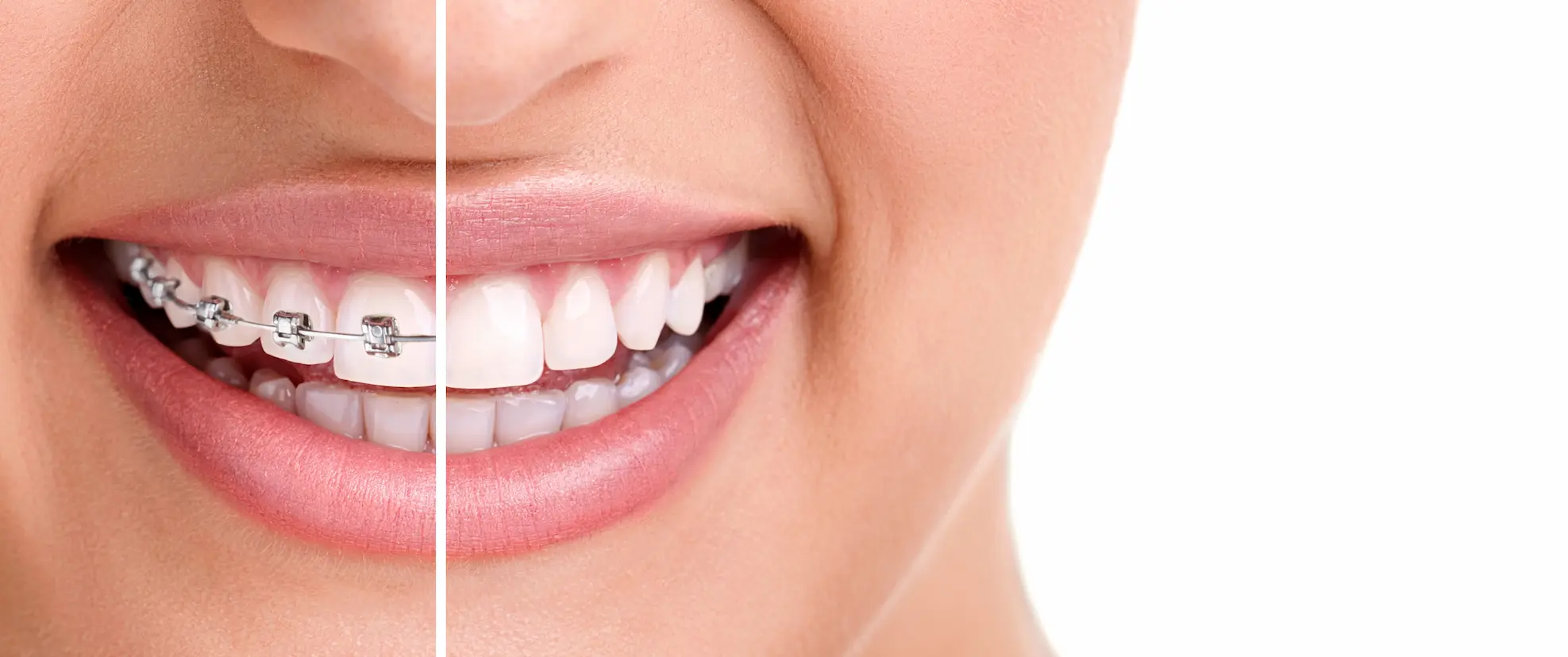
A great cosmetic dental result rarely comes down to one procedure. It comes from judgment, sequencing, restraint, and an honest understanding of what a patient wants their smile to do in daily life. That is what often separates routine aesthetic work from cosmetic dentistry that feels personal, durable, and worth the investment. In Bakersfield, that difference is especially noticeable because the needs of patients here tend to be practical as much as aesthetic. People want whiter, straighter, more even smiles, of course. They also want work that holds up through busy schedules, public-facing jobs, dry heat, coffee habits, and the ordinary wear of real life.
When people search for Cosmetic Dentistry Bakersfield CA, they are usually not just looking for a list of services. They are trying to figure out whether local practices offer something distinct, something beyond generic veneers-and-whitening marketing. The answer is yes, but not for one simple reason. It is a mix of clinical philosophy, regional demand, patient expectations, and the way experienced dentists adapt cosmetic treatment to faces, speech, bite patterns, and budget.
Bakersfield patients often want improvement, not reinvention
One of the clearest differences in Bakersfield cosmetic dentistry is the kind of result many patients ask for. In larger trend-driven markets, some patients walk in with screenshots of ultra-bright, highly uniform celebrity smiles. That happens here too, but not nearly as often as people assume. Many Bakersfield patients want to look refreshed, healthy, and more confident without looking altered.
That changes the dentist’s approach. A thoughtful cosmetic dentist pays attention to shape, translucency, and proportion, rather than chasing a one-shade-fits-all white. Teeth that are too opaque can look flat. Veneers that are too square can harden the face. Smiles that are too broad for a patient’s lip line can look obvious the moment they speak. Experienced dentists in this area often lean toward results that fit the patient’s age, skin tone, facial movement, and professional life.
A patient in her forties who has spent years speaking with clients may want closing of small gaps and whitening that brightens her smile without making it the first thing anyone notices. A young man preparing for job interviews may care more about smoothing chipped edges and correcting slight front-tooth rotation than achieving a dramatic makeover. These are cosmetic cases, but they are not vanity projects. They are functional confidence upgrades, and that distinction matters.
The local standard is increasingly comprehensive
Cosmetic dentistry used to be marketed as a menu. Whitening, bonding, veneers, done. Better practices no longer work that way. In Bakersfield, stronger cosmetic offices tend to evaluate aesthetics alongside gum health, bite stability, jaw function, and long-term maintenance. That broader lens is one reason local cosmetic care can stand apart.
A smile can look beautiful in a still photo and still fail in daily use. If front teeth are lengthened without considering how the patient bites, veneers may chip. If whitening is done before old restorations are replaced, color mismatch can become more obvious. If gum levels are uneven, even expensive porcelain can look off. Good cosmetic work requires planning backward from the finished result.
That is why a consultation worth having usually goes beyond shade tabs and before-and-after albums. It includes questions like these: How do your teeth wear? Do you clench? Do you wake with jaw tension? Have your gums receded? Are the edges of your front teeth thinning? Do you want a change that friends notice, or one that only you notice?
Those details are not small. They are the difference between dentistry that photographs well for six months and dentistry that still looks right years later.
Heat, dryness, and habits shape treatment choices
Regional lifestyle factors are not glamorous, but they matter. Bakersfield’s climate, along with common habits such as coffee, tea, energy drinks, and occasional tobacco use, affects staining patterns, dry mouth complaints, and restorative longevity. Dryness can increase discomfort during whitening, make lips and soft tissues more reactive, and worsen sensitivity in patients who already have exposed root surfaces or enamel wear.
That does not mean cosmetic treatment is less successful here. It means better dentists account for those conditions from the beginning. A patient with chronic dryness may need a slower whitening schedule, lower-concentration gels, or desensitizing protocols before treatment. Someone with aggressive stain recurrence may be better served by a realistic maintenance plan rather than the promise of a one-time fix. A patient whose enamel has eroded from acidic drinks may need bonding or veneers designed around structural preservation, not just brightness.
This practical mindset tends to produce more honest consultations. Cosmetic dentists who work with a broad cross-section of Bakersfield patients know that idealized plans must survive ordinary behavior. If a treatment only works when a patient avoids every staining beverage and never clenches, it is not a strong plan. It is a fragile one.
The best cosmetic work here often starts conservatively
One thing that experienced patients notice quickly is that the strongest cosmetic dentists do not rush to remove healthy tooth structure. They may recommend whitening before veneers, orthodontic alignment before bonding, or enamel reshaping instead of crowns when the issue is minor. That conservative instinct is a major marker of quality.
A small gap between front teeth may be corrected with bonding in one visit, but only if the proportions can be improved without making the teeth look too wide. Mild crowding might be better treated with clear aligners first, because straightening teeth can reduce the amount of porcelain or composite needed later. Stained teeth do not automatically require veneers. In many cases, internal and external whitening, paired with selective replacement of old fillings, creates a cleaner and more natural result.
Patients sometimes mistake conservatism for hesitation. It is usually the opposite. It reflects confidence and experience. Dentists who understand smile design know when less intervention gives the best outcome. They are not trying to sell a bigger case. They are trying to preserve options for the future.
Cosmetic dentistry is only as good as the bite underneath it
This is the part many patients never hear in marketing copy, yet it is where a lot of expensive mistakes begin. A smile makeover sits on a bite. If the bite is unstable, the dentistry is under stress from day one.
In Bakersfield, where many adults seek cosmetic treatment after years of grinding, old dental work, or postponed care, bite analysis is especially important. Wear patterns tell a story. Flattened edges, craze lines, fractured fillings, and gum recession often signal more than age. They can point to clenching, shifted occlusion, or joint strain. Ignoring that in the name of appearance is short-sighted.
A dentist with real cosmetic judgment checks how the front and back teeth meet, how the jaw moves side to side, and whether certain teeth absorb too much force. If necessary, cosmetic treatment may be staged. Whitening or bonding might come first, while more definitive porcelain work waits until the bite is stabilized. Sometimes a night guard becomes part of the cosmetic plan, not because the result failed, but because the dentist intends to protect it.
Patients do not always love hearing that beauty and biomechanics are linked. Still, when a restoration chips at the edge of a front tooth, aesthetics suddenly become functional. The practices that explain this well tend to earn more trust, because they are treating the whole system rather than selling surface improvements.
Digital tools help, but judgment matters more
Modern cosmetic dentistry uses impressive technology. Digital scans improve comfort and precision. Smile previews can help patients visualize shape changes. High-quality photography allows shade communication and treatment planning at a level that was difficult years ago. These tools absolutely raise the standard.
Still, no scanner can decide how much incisal translucency suits a patient’s age. No imaging software can feel how a lip moves during speech or how a broad smile changes under different lighting. Technology refines execution. It does not replace taste or clinical restraint.
That is another place where Cosmetic Dentistry Bakersfield CA often stands out when done well. Many practices blend digital workflow with highly individualized planning. A mock-up may be adjusted after hearing the patient speak. A proposed veneer length might be reduced because the smile looked too dominant in person, even if it seemed ideal on screen. A digital design may call for symmetry, but the dentist keeps a slight natural variation because perfect mirror-image teeth can look artificial.
Patients should appreciate technology, but not be dazzled by it. The more useful question is how the dentist uses it. Tools are easy to advertise. Judgment is harder to market, but far more valuable.
Communication tends to make or break cosmetic cases
Cosmetic dentistry is one of the most communication-sensitive areas in dental care. A technically acceptable result can still disappoint if the patient expected something else. That is why the consult process matters so much.
The strongest Bakersfield cosmetic practices usually spend time narrowing vague words into concrete preferences. “Natural” means one thing to a 28-year-old bride and another to a 62-year-old business owner replacing worn edges. “White” can mean subtle brightness to one person and camera-ready brilliance to another. “Straight” might refer to major alignment, or simply the visual softening of one rotated lateral incisor.
The dentists who stand out ask better follow-up questions. They want to know what bothers you in photos, whether you dislike the shape or color more, whether you want people to notice the change, and whether you are open to maintenance over time. They may show examples, but they also explain why one style fits your face and another does not.
That kind of communication prevents a common problem in cosmetic care, the technically polished smile that never really belonged to the patient.
Materials and craftsmanship are a bigger deal than most people realize
Two veneers can look similar on insertion day and diverge dramatically after a year or two. One holds gloss, blends beautifully, and resists chipping. The other looks bulky at the gumline, loses polish, or reveals poor shade integration under daylight. The difference often comes down to material selection and the quality of fabrication.
Porcelain remains a gold standard for many visible cosmetic cases because of its strength, stain resistance, and light-reflective qualities. Composite bonding has excellent uses too, especially for conservative corrections, smaller repairs, and budget-sensitive cases. But neither material is inherently superior without context. Composite can be artistically beautiful in the right hands. Porcelain can look lifeless if it is poorly designed.
A well-run cosmetic case involves thoughtful coordination between dentist, patient, and laboratory. Shade selection is not simply “A1” or “BL2.” It is texture, surface luster, translucency, mamelon effects when appropriate, and how all of that reads under office lights versus sunlight. Bakersfield dentists who emphasize this level of detail are usually the ones who deliver results that look quietly expensive rather than obviously dental.
The strongest practices manage expectations early
Cosmetic dentistry is elective, but it is not magic. Teeth move. Composite stains over time. Whitening fades. Gum tissue changes with age. Night grinding can damage even excellent restorations. Honest dentists say this upfront.
That honesty is one of the real differentiators in the area. Patients increasingly recognize the value of a provider who explains trade-offs instead of overselling perfection. Veneers may offer dramatic transformation, but they involve irreversible tooth preparation in many cases. Bonding preserves more enamel, but may need touch-ups or polishing sooner. Aligners can improve symmetry and reduce restorative needs, but they require compliance and time. Whitening is the least invasive option, but it cannot fix shape, translucency issues, or mismatched old crowns.
Here are a few signs that a cosmetic consultation is grounded and credible:
- The dentist discusses more than color, including bite, gums, and maintenance.
- More than one treatment path is presented when appropriate.
- Limitations are stated clearly, especially around longevity and touch-ups.
- Before-and-after photos are used to educate, not pressure.
- The final recommendation sounds tailored, not prepackaged.
That kind of transparency may not feel flashy, but it often predicts a better experience.
Why “natural-looking” takes more skill than “done”
Patients often assume dramatic smiles are harder to create. In reality, subtle cosmetic dentistry can demand more sophistication. Very bright, very uniform teeth can mask design flaws because the eye reads the transformation as a whole. Natural-looking cosmetic work has less room to hide. Shape transitions, edge softness, tiny asymmetries, and color depth all matter more.
This is where facial awareness becomes part of dentistry. The right contour for a central incisor on one patient can look too heavy on another. Slightly rounded line angles can soften a smile. A touch more translucency at the edges can keep restorations from looking blocky. Shortening a tooth by half a millimeter can improve harmony with the lower lip. These are tiny decisions with outsized visual impact.
Many Bakersfield patients appreciate this restraint. They want compliments without interrogation. They want Toothworks of Bakersfield, Dentist and Orthodontist Cosmetic Dentistry Bakersfield CA people to say they look great, rested, healthier, or more confident, not ask which teeth are fake. That demand has pushed local cosmetic standards in a healthier direction, toward individualized smiles rather than showroom smiles.
Cost matters, but value is more nuanced than price
Cosmetic dentistry can involve significant expense, and patients are right to compare options carefully. Still, the least expensive route is not always the most economical over time. A lower-fee veneer case that requires early replacement, gum contour corrections, or repeated repairs can end up costing more than a carefully planned conservative treatment performed well the first time.
At the same time, higher cost alone proves nothing. Some premium-priced cosmetic work is excellent. Some is mostly packaging. Patients should ask what drives the fee. Is it the material? The number of appointments? Temporary prototypes? Laboratory quality? The complexity of the bite? The experience of the dentist? The expected follow-up?
A sensible decision often comes from balancing four variables:
- how visible the issue is in daily life
- how long you want the result to last
- how much natural tooth you are willing to alter
- how much maintenance you can realistically commit to
Those conversations tend to be more direct and practical in Bakersfield than in image-driven markets where treatment is sometimes sold like luxury retail. That practicality can be an advantage for patients who want honest value rather than aesthetic hype.
Follow-through is part of the cosmetic result
A smile makeover is not finished when the mirror reveal ends. Whitening may need periodic refreshes. Bonding may need polishing. Veneers may need bite checks after insertion, especially if the patient clenches. Retainers are essential after alignment. Hygiene support matters because inflamed gums can undermine the look of even beautiful restorations.
Practices that stand out in Cosmetic Dentistry Bakersfield CA usually build this follow-through into the care plan. They do not present maintenance as a nuisance or an afterthought. They frame it as part of protecting the investment. That is the professional way to handle elective dentistry. When patients know what upkeep looks like, they make better choices from the start.
I have seen the difference this makes in many cosmetic cases over time. Patients who understand the maintenance rhythm tend to stay happier with their dentistry, even when normal touch-ups are needed. Patients who were sold a permanent fantasy often feel blindsided by ordinary wear. Good communication prevents that disappointment.
What to look for if you are comparing cosmetic dentists in Bakersfield
If you are evaluating providers, the smartest move is to pay attention to how they think, not just how they advertise. A beautiful online gallery is useful, but it should not be the only evidence. During a consultation, notice whether the dentist studies your face and bite, whether they explain why they are recommending one option over another, and whether they seem comfortable discussing limitations.
You should also pay attention to how the office handles the details. Were photos and records taken carefully? Did anyone ask about grinding, sensitivity, or old dental trauma? Were temporaries or mock-ups discussed when appropriate? Did the treatment plan feel customized to your goals, or did it sound like the same speech every patient gets?
Those signals tell you a lot. Cosmetic dentistry is part art, part engineering, part communication. The offices that do it best know that aesthetics are not isolated from function, and that confidence comes not from the most dramatic change, but from the right one.
The Bakersfield difference is practical sophistication
What truly sets this field apart locally is not trendiness. It is practical sophistication. Bakersfield cosmetic dentists who do outstanding work tend to understand that patients want results that are attractive, believable, and durable. They know a smile has to work at a wedding, in a boardroom, on a job site, in family photos, and on an ordinary Tuesday morning with no filter and harsh sunlight.
That real-world awareness shapes better care. It encourages conservative choices when possible, comprehensive planning when necessary, and honest guidance all the way through. It values craftsmanship over spectacle and function alongside beauty. For patients, that often leads to something more satisfying than a dramatic makeover. It leads to a smile that feels like it should have been theirs all along.
Toothworks of Bakersfield, Dentist and Orthodontist
Address: 1030 H St #1, Bakersfield, CA 93304
Phone number: +16613239421
FAQ About Cosmetic Dentistry Bakersfield CA
What is considered cosmetic dentistry?
Cosmetic dentistry includes any dental treatment focused primarily on improving the appearance of your teeth, gums, or bite rather than treating a disease or restoring basic function.
How much does cosmetic dentistry usually cost?
The cost of cosmetic dentistry typically ranges from a few hundred dollars for minor touch-ups to over $20,000 for a comprehensive smile makeover, depending entirely on the specific procedure, materials used, and how many teeth are treated. Because most cosmetic treatments are elective, they are usually paid out of pocket without insurance coverage.
Is there a difference between a regular dentist and a cosmetic dentist?
Yes, a regular dentist focuses on your overall oral health and preventing disease, while a cosmetic dentist focuses on improving the look of your smile.