Exploring Porcelain Veneers in Cosmetic Dentistry Bakersfield CA
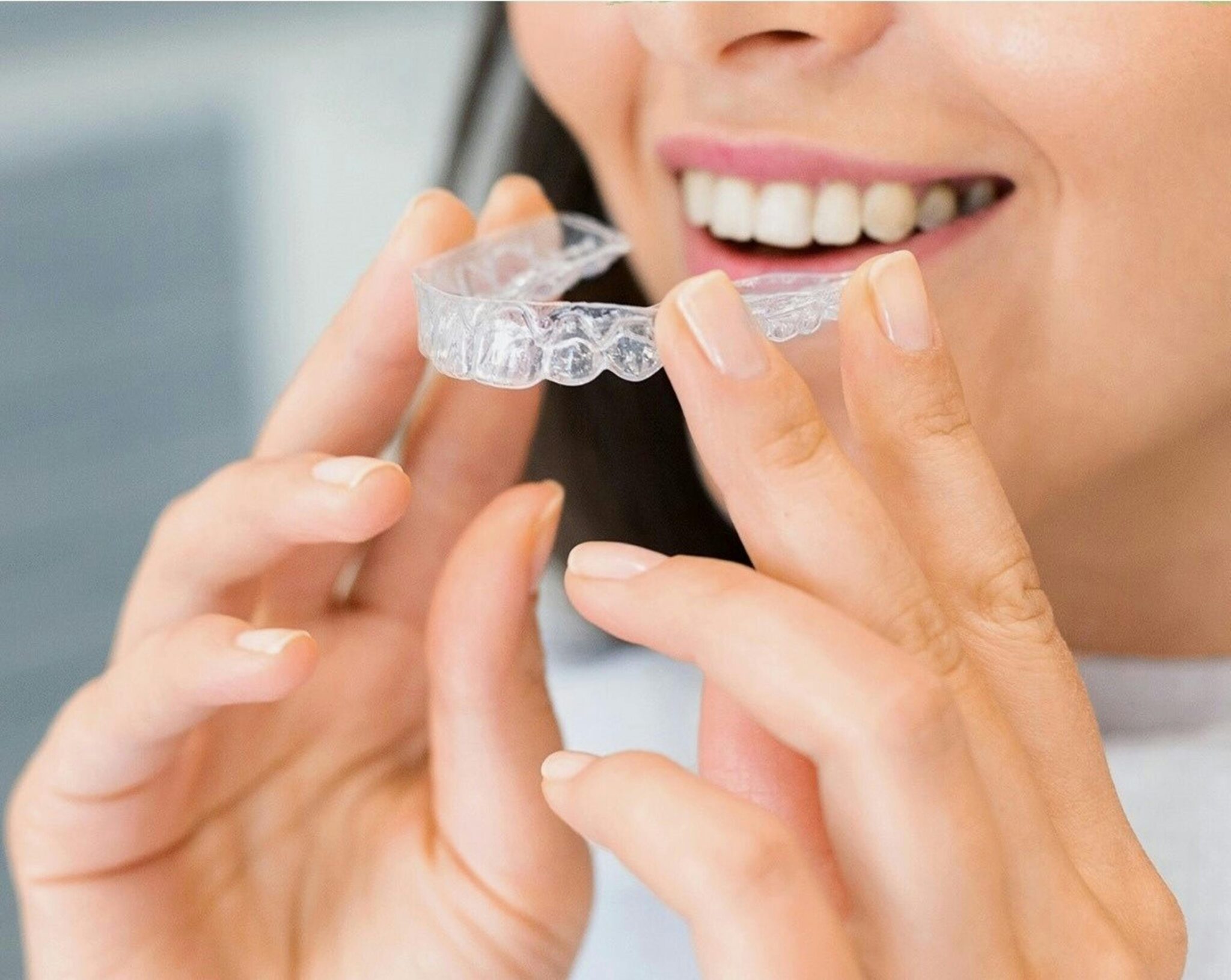
Porcelain veneers sit in an interesting place in dentistry. They are cosmetic, yes, but they are rarely just about looks. In practice, the patients who ask about veneers are often reacting to something more personal than a shade chart or an Instagram smile. It might be the front tooth that never matched after a childhood injury. It might be the worn edges from years of grinding. It might be small gaps that became more noticeable in every family photo. Sometimes it is simple wear and tear, the kind that sneaks up over decades.
In Cosmetic Dentistry Bakersfield CA, porcelain veneers come up often because they answer a specific kind of problem. They can improve color, shape, alignment, and proportion with far more precision than whitening or bonding alone. At the same time, they are not the right answer for every mouth, every budget, or every expectation. Veneers can be excellent dentistry when the case is selected well and planned carefully. They can also disappoint when they are used to solve the wrong problem.
That distinction matters more than most people realize.
What porcelain veneers actually are
A porcelain veneer is a thin shell of ceramic bonded to the front surface of a tooth, usually in the smile zone. The material is chosen because it can mimic enamel well. Good porcelain reflects light in a way that looks natural, not flat or chalky. It also resists staining better than composite bonding, which is one reason veneers remain popular for patients who want long-term color stability.
The phrase "thin shell" sometimes gives people the wrong impression. Veneers are delicate before they are bonded, but once placed properly, they become quite strong. The real issue is not fragility so much as suitability. Veneers work best when the underlying tooth structure is healthy, the bite is reasonably stable, and the goals are clear. They are less predictable when someone has active gum disease, untreated decay, severe grinding without protection, or an expectation that cosmetic dentistry can function like a filter instead of a dental treatment.
Most veneer cases involve the upper front teeth, often the front six to eight, because those teeth dominate the smile. Not every patient needs a full set. Sometimes two central incisors or four front teeth are enough. In other cases, doing too few actually creates a less believable result because the restored teeth stand out from their neighbors. Matching natural enamel is possible, but it takes judgment. There is a point where trying to save money by veneering only one or two teeth can cost the result its harmony.
Why people in Bakersfield ask about veneers
The reasons tend to be practical. Bakersfield has a broad mix of patients, from young professionals who want a cleaner, brighter smile to older adults dealing with wear, discoloration, and old dental work that no longer blends in. The climate, the pace of work, and the social visibility of a smile all play their part, but the core motivations are universal.
One common scenario is tetracycline or deep intrinsic staining that whitening barely touches. Another is edge chipping from years of normal use. A third is mild crowding or unevenness in the front teeth, where orthodontics may still be an option but not the option the patient wants. Veneers can address those concerns efficiently, often with a dramatic but still tasteful change.
I have also seen many patients come in saying they want their teeth to look "straight," when what they really mean is that they want better symmetry. That is a critical distinction. Veneers can create the appearance of straighter teeth in some mild cases, but they do not move roots or correct the underlying bite. When someone has significant crowding, crossbite, or protrusion, orthodontic treatment often provides the healthier and more conservative path. Cosmetic Dentistry Bakersfield CA works best when esthetics and function are discussed together, not as separate conversations.
The appeal of porcelain over composite bonding
Composite bonding has a place. It is usually less expensive up front, can be completed quickly, and often requires little to no tooth reduction. For small chips, minor reshaping, or a trial run before a larger cosmetic case, bonding can be a smart choice.
Porcelain earns its reputation because it tends to hold polish, shape, and color better over time. Composite can stain, dull, or chip more readily, especially in patients who drink coffee daily, enjoy red wine, or clench heavily. Porcelain also gives a ceramist more control over translucency, surface texture, and fine characterization. Those subtleties are what separate a smile that looks merely white from one that looks believable.
That does not mean porcelain is always better. It means porcelain is often better for the right goals. If a patient is twenty-two, has healthy enamel, and only wants a small shape correction on one lateral incisor, bonding may be the more conservative decision. If a patient has multiple discolored restorations, worn incisal edges, and years of frustration with patchwork dentistry, porcelain may provide the stability and refinement that bonding cannot.
The planning phase is where good veneer cases are won or lost
Patients often focus on the day the veneers are placed. Dentists know the real work starts much earlier. Good veneers are planned, not rushed. A proper evaluation includes photographs, bite analysis, gum assessment, and a close look at the proportions of the face, lips, and teeth at rest and in motion. The smile does not exist in isolation. A tooth that looks perfect on a model may look too long or too square once the person talks and laughs.
Shade selection is another area where experience matters. The brightest shade is not always the most attractive one. Many people ask for very white teeth because they are reacting to years of stain or darkness. After mock-ups or photo review, they often choose something slightly softer because it fits their complexion, age, and natural features better. The most successful veneer smiles usually look refreshed, not manufactured.
Mock-ups can be extremely helpful. In many cases, a dentist can create a temporary version of the proposed shape directly in the mouth or from a wax-up. This gives the patient a preview of length, contour, and overall style before the final porcelain is made. It also allows practical feedback. A patient may discover that a little extra length looks elegant in still photos but feels strange in speech. That is a useful discovery to make early.
When veneers make sense, and when they do not
Veneers are best thought of as a precise tool. They shine in some situations and are a poor fit in others.
Here are a few signs that veneers may be worth discussing with a dentist:
- Teeth are deeply stained and have not responded well to whitening.
- Front teeth are chipped, uneven, or worn in a way that affects the smile.
- Small gaps or mild alignment issues are present, but the bite is otherwise stable.
- Existing bonding or older restorations in the smile zone keep failing or looking mismatched.
- The patient wants a long-lasting cosmetic result and understands the maintenance involved.
That last point deserves emphasis. Veneers are not a one-time event that you forget about forever. They require maintenance, exams, and realistic habits. Someone who opens packages with their teeth, skips cleanings, and refuses to wear a night guard despite obvious clenching is not setting up a veneer case for success.
There are also clear situations where veneers should be approached cautiously or delayed. Active periodontal disease is one. Uncontrolled decay is another. Severe bruxism without a willingness to use protection at night raises the risk of fracture and debonding. Major alignment problems often call for orthodontics first. And when the chief complaint is really about gum position, tooth exposure, or missing back teeth, veneers alone may not address the root issue.
How much tooth structure is involved
This is one of the most common questions, and it is a fair one. Traditional veneers usually require some enamel reduction, often modest, to make room for the porcelain and avoid bulky contours. The amount depends on the starting position of the teeth, the desired color change, and the planned shape. Teeth that already sit too far forward generally need more reduction than teeth that are slightly recessed.
There is a lot of marketing around "no-prep" or "minimal-prep" veneers. Sometimes that approach is appropriate. Sometimes it is not. If you place porcelain over already full or prominent teeth without creating space, the result can look thick, overcontoured, and unnatural. More importantly, the gums may not like that extra bulk. A veneer should fit the biology as much as the esthetics.
Bonding to enamel is Cosmetic Dentistry Bakersfield CA also more predictable than bonding to deeper tooth layers, so conservative preparation matters. A dentist who values enamel preservation is usually thinking long term. The goal is not just a beautiful before-and-after photo. The goal is a restoration that integrates with the tooth, supports gum health, and can be maintained over many years.
The appointment sequence patients can expect
Most veneer cases unfold over several visits. The first is consultation and records. That includes discussion of goals, examination, photos, and often digital scans or impressions. If the case moves forward, there may be a design phase involving a wax-up or digital preview.
Preparation day is where the teeth are shaped, impressions or scans are finalized, and temporaries are placed if needed. Good temporaries matter. They protect the prepared teeth, let the patient test-drive the new shape, and provide one last chance to refine length or contour. Some of the best final adjustments happen because a patient spends a week noticing how the temporary smile feels in daily life.
The final seating appointment is more exacting than it looks. Each veneer is tried in, checked for fit, color, and edge adaptation, then bonded with careful isolation and cementation. Tiny details, such as how the contacts feel or how the light hits the edge, can make a noticeable difference. Once bonded, the veneers are polished and the bite is adjusted so the teeth move smoothly without damaging pressure points.
It is not unusual for a patient to need a short follow-up visit after placement. Speech may feel slightly different for a few days, especially if length has changed. The lips and tongue adapt quickly, but polishing a small edge or refining a bite contact can turn a good result into a comfortable one.
Cost, value, and the expensive mistake of choosing on price alone
Veneers are a significant investment. Fees vary widely based on materials, lab work, case complexity, and the experience of the team. It is more honest to speak in ranges than absolutes, since prices change and every practice structures treatment differently. In California, patients should expect veneers to be a premium cosmetic service rather than a casual add-on.
The largest cost differences usually come from planning, lab quality, and the amount of customization. A highly esthetic case with layered porcelain, detailed smile design, and multiple provisional adjustments costs more for good reason. There is more skill and more time involved.
Patients sometimes compare veneer fees the way they might compare appliance prices. That usually leads them astray. A veneer is part material, part technique, part diagnosis, and part artistry. If a fee seems surprisingly low, it is worth asking what is being omitted. Is there limited planning? A lower-cost lab? Fewer records? Less time for temporaries and refinement? Those trade-offs may be acceptable in some simple cases, but patients should understand them before moving ahead.
Longevity depends on design, habits, and maintenance
Porcelain veneers can last many years. Some hold up beautifully for well over a decade. Others need replacement sooner because of chipping, leakage around margins, bite changes, gum recession, or trauma. Longevity is influenced by factors that begin long before the veneer is bonded.
Case selection is first. Bite design is second. Home care is third. A patient with excellent oral hygiene, stable gums, and a well-managed bite often gets more life out of veneers than someone with chronic inflammation and untreated grinding. Maintenance visits help catch issues early, especially small edge chips or bonding changes that can be managed before they become larger problems.
A night guard is often recommended, especially for patients who clench. Some resist this because they assume porcelain is hard enough to handle anything. Hardness is not the same as invincibility. Repeated heavy forces can damage porcelain, natural teeth, or both. A properly made night guard is a simple insurance policy compared with replacing a veneer.
How veneers should look if they are done well
The best veneers rarely announce themselves. They brighten the smile and improve shape, but they still look like teeth. That means slight variation, natural surface texture, and proportions that fit the face. Overly uniform, opaque, or bulky veneers tend to draw the eye for the wrong reasons.
Age matters here. A twenty-eight-year-old and a sixty-year-old usually do not benefit from exactly the same incisal translucency or edge design. Facial shape matters too. So do lip dynamics, gum display, and personality. Some patients want a crisp, polished look with defined edges. Others want softness and subtle asymmetry that feels more natural. Neither preference is wrong. The key is intentionality.
There is also the question of trend versus timelessness. Smile trends come and go. Extra-bright, ultra-square veneers may photograph well in certain settings but look less convincing in daily life. Most people remain happiest with a result that looks healthy, balanced, and believable ten years later.
Bakersfield considerations that deserve a practical conversation
Local lifestyle can affect cosmetic dentistry more than people think. In Bakersfield, many patients work physically demanding jobs, spend long hours outdoors, or deal with stress-related Cosmetic Dentistry Bakersfield CA clenching. Those realities matter. Someone who dehydrates often, lives on coffee, and clenches through the workday may have more muscle tension and enamel wear than they realize. That does not rule out veneers, but it should shape the treatment plan.
It is also common for patients to be balancing esthetic goals with practical family budgeting. That is where clear prioritization helps. In some cases, whitening and minor bonding may buy several years before veneers make sense. In others, staging treatment can be reasonable, as long as the final plan is coherent and not just pieced together reactively.
A good cosmetic consultation in Bakersfield should feel grounded, not sales-driven. The dentist should be able to explain not only what can be improved, but what should be left alone. That restraint is a sign of clinical maturity.
Questions worth asking before you commit
A short, honest consultation can reveal a lot. Patients do not need technical fluency, but they do need clarity. These questions tend to lead to better decisions:
- Am I a true veneer candidate, or would whitening, bonding, or orthodontics solve my main concern more conservatively?
- How much tooth reduction do you expect in my case?
- Will I be able to preview the proposed shape with a mock-up or temporaries?
- How do you plan for patients who grind or clench?
- If one veneer chips or needs replacement years from now, how is that typically handled?
The answers matter less as a script than as a window into the dentist's thinking. A thoughtful clinician will not rush past trade-offs. They will talk about gums, bite, maintenance, and alternatives. They will also explain limitations. For example, if your lower teeth are very dark or worn, changing only the upper front teeth may create a mismatch that bothers you later. That is the kind of issue worth discussing up front.
The emotional side of veneer treatment
It would be a mistake to treat veneers as purely cosmetic mechanics. People carry a lot of feeling about their teeth. Some have hidden their smile for years. Others have had a visible dental flaw since childhood and still remember the comments. Even highly successful professionals can be surprisingly self-conscious about a single discolored front tooth.
That emotional context does not mean every concern requires treatment. It does mean the dentist should listen carefully. The best veneer cases often begin with a patient pointing not to a shade they want, but to something more personal, like "I want to stop thinking about this every time someone takes a picture." That kind of statement tells you the goal is relief as much as appearance.
When veneers are done well, patients often describe the result in understated ways. They say they look more rested. More polished. More like themselves, only corrected. That is usually a sign that the case respected the person's natural features rather than imposing a generic smile on top of them.
A balanced view of porcelain veneers in Cosmetic Dentistry Bakersfield CA
Porcelain veneers remain one of the most effective tools in cosmetic dentistry because they can solve several visible problems at once with precision and durability. They can transform color, shape, and proportion in a way that feels remarkably natural when the planning is solid. They are also irreversible in most cases, technique-sensitive, and dependent on good habits after placement.
For patients exploring Cosmetic Dentistry Bakersfield CA, the smartest next step is not to chase the whitest result or the cheapest quote. It is to get a careful evaluation from a dentist who considers function, facial esthetics, gum health, and long-term maintenance in the same conversation. Veneers are not magic, and they do not need to be. When chosen for the right reasons and executed with restraint, they can do something better. They can make a smile look settled, healthy, and convincingly your own.
Toothworks of Bakersfield, Dentist and Orthodontist
Address: 1030 H St #1, Bakersfield, CA 93304
Phone number: +16613239421
FAQ About Cosmetic Dentistry Bakersfield CA
What is considered cosmetic dentistry?
Cosmetic dentistry includes any dental treatment focused primarily on improving the appearance of your teeth, gums, or bite rather than treating a disease or restoring basic function.
How much does cosmetic dentistry usually cost?
The cost of cosmetic dentistry typically ranges from a few hundred dollars for minor touch-ups to over $20,000 for a comprehensive smile makeover, depending entirely on the specific procedure, materials used, and how many teeth are treated. Because most cosmetic treatments are elective, they are usually paid out of pocket without insurance coverage.
Is there a difference between a regular dentist and a cosmetic dentist?
Yes, a regular dentist focuses on your overall oral health and preventing disease, while a cosmetic dentist focuses on improving the look of your smile.