Can Dental Bonding Restore Confidence in Your Smile?
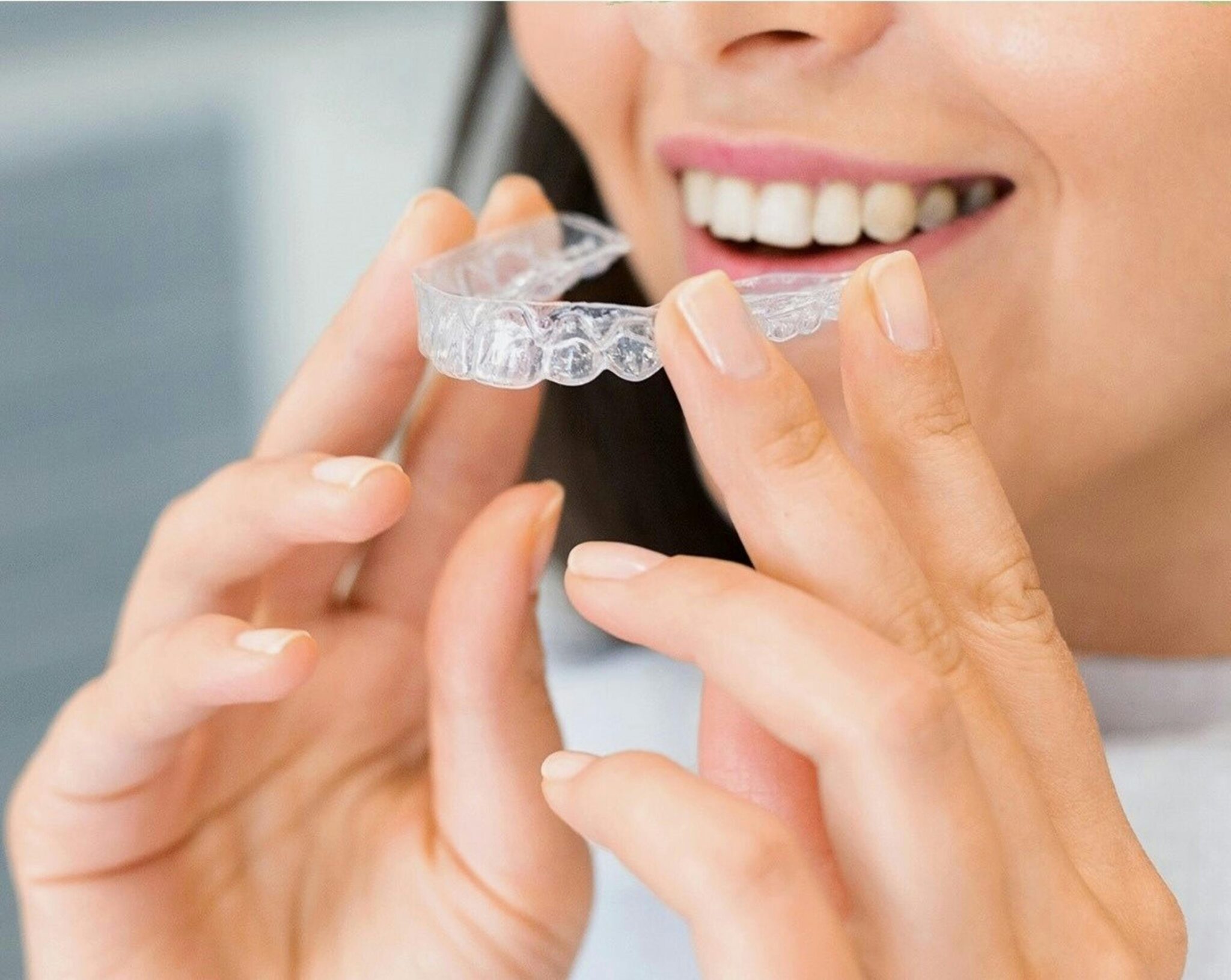
A smile does more social work than most people realize. It appears in photographs before a word is spoken. It softens a first impression in a job interview. It turns a guarded conversation into an easy one. When someone starts hiding their teeth behind closed lips, a hand, or a carefully angled pose, the emotional cost can build quietly over time.
That is why cosmetic treatments matter, even when the issue seems minor on paper. A tiny chip on a front tooth may look insignificant to everyone else, yet feel enormous to the person who sees it every morning in the mirror. A narrow gap, a patch of discoloration, or an uneven edge can become the one detail a patient fixates on. In many cases, Dental Bonding is the treatment that closes the gap between wanting a better smile and feeling ready to commit to more involved dental work.
The short answer is yes, dental bonding can restore confidence in your smile. For the right patient, it often does so quickly, conservatively, and at a lower cost than veneers or orthodontic treatment. But the better answer is more nuanced. Bonding works beautifully in some situations and disappoints in others. The difference usually comes down to case selection, material limits, bite forces, habits, and expectations.
Why bonding often feels so transformative
Confidence is not always about dramatic makeover dentistry. More often, it comes from correcting the one or two details that keep drawing your eye. Dental bonding excels at exactly that kind of refinement.
The treatment uses a tooth colored composite resin, similar in family to white filling material, that is shaped directly onto the tooth. A dentist can add structure where a tooth is chipped, close a small space, smooth an irregular edge, mask a localized stain, or make a slightly undersized tooth look more balanced. Because the resin is sculpted chairside, the result can be highly customized in one visit.
That single appointment matters more than people think. When a patient has spent months, sometimes years, hesitating to smile fully, walking out with a visible improvement the same day can feel deeply relieving. There is no temporary phase, no waiting weeks for a lab case, and usually very little alteration of healthy tooth structure. That combination of speed and conservatism is one reason bonding has remained a favorite option in cosmetic dentistry.
In practice, the emotional impact is often immediate. Patients who begin the appointment speaking with tight lips will often check their reflection afterward and instinctively smile wider. It is not vanity. It is the release that comes when a feature that has bothered you finally looks more like it belongs to your face.
What dental bonding can realistically fix
Bonding is best understood as a precision cosmetic tool, not a universal answer. It tends to shine when the underlying teeth are healthy and the changes needed are modest to moderate.
Common examples include chipped front teeth after a minor accident, worn incisal edges from grinding, small gaps between front teeth, mild shape asymmetry, and isolated discoloration that whitening cannot improve. It can also help a tooth that appears too short, too narrow, or slightly rotated look more harmonious without moving it orthodontically. In some cases, dentists use bonding to create the appearance of better alignment by adjusting contours, though this works best when the crowding is mild.
The key word is appearance. Bonding can alter what the eye sees, but it does not move roots, correct major bite problems, or replace badly damaged tooth structure in a long term way when heavier restorative treatment is indicated. If someone has significant crowding, severe staining throughout the smile, extensive fractures, or enamel loss from acid erosion, another treatment plan may offer more stability and a better cosmetic result.
This is where honest consultation matters. A good dentist does not sell bonding as magic. They explain where it excels and where it reaches its limits.
The confidence factor is often about restraint
The best cosmetic dentistry rarely looks obvious. Patients usually do not want compliments on their dental work. They want people to notice that they look well, rested, polished, or simply more at ease.
Dental bonding can support that goal because it allows for subtle, targeted improvement. If one front tooth is slightly shorter than the other, a careful millimeter or two of composite can restore balance. If a dark spot near the edge catches the light every time you speak, masking it may change how you feel in every social setting. These are small technical corrections with outsized emotional returns.
Restraint also protects the result. Overbuilt bonding can look bulky, opaque, or too white compared with neighboring enamel. Poor contouring can make a smile look artificial even when the shade is accurate. The most successful cases tend to respect the patient’s natural anatomy, age, facial proportions, and lip line. Teeth should not all look identical. Tiny differences in shape, translucency, and edge detail are what make a smile believable.
What the appointment is actually like
Patients often expect cosmetic treatment to be uncomfortable or complex. Bonding is usually more straightforward than they imagine.
In many cases, little to no drilling is required, especially when the goal is to add rather than remove. The tooth surface is prepared so the resin can adhere properly. The dentist selects a shade, often blending more than one tone for a natural effect, then applies and shapes the composite in layers. A curing light hardens the material, and the final surface is polished to match surrounding enamel as closely as possible.
For small cosmetic bonding, anesthesia may not be needed. If the area involves a cavity, an old filling, or a sensitive edge, numbing may still be appropriate. The length of the appointment depends on the number of teeth and the complexity of the shaping, but a single tooth can often be treated within an hour.
From a patient’s perspective, what matters most is that the change is visible right away. There is no long recovery period. You may feel a slight difference with your tongue for a day or two until your mouth adapts, but most people return to normal activities immediately.
Where bonding delivers excellent value
Not every smile concern requires the most expensive treatment available. Dental bonding often sits in the sweet spot between impact and affordability.
Veneers can create stunning results, especially when multiple front teeth need comprehensive color and shape correction. Orthodontics can solve spacing and alignment at the root level. Crowns can protect teeth with major structural compromise. Yet many patients do not need that scale of intervention. They need a chip repaired, a gap softened, or a shape irregularity corrected.
For those cases, bonding offers several practical advantages:
- It is usually completed in one visit.
- It often preserves more natural tooth structure than veneers or crowns.
- It tends to cost less than many other cosmetic options.
- It can be repaired or modified more easily than porcelain.
- It provides immediate visual change with minimal downtime.
Value is not just about price. It is about getting the right treatment for the problem in front of you. When the problem is localized and the goals are realistic, bonding can be one of the smartest investments in cosmetic dentistry.
The trade-offs that matter before you say yes
Composite resin is versatile, but it is not porcelain and it is not natural enamel. That distinction matters for longevity and maintenance.
Bonding can stain over time, especially in people who drink coffee, tea, red wine, or smoke. It can chip if used to rebuild edges in someone with a heavy bite, nail biting habit, or nighttime grinding. It also does not reflect light exactly like enamel or high end porcelain, though skilled artistry narrows that difference considerably.
Longevity varies widely. A small bonded repair on a low stress area may last many years. Bonding on the edge of a front tooth in a patient who grinds, chews ice, or uses teeth as tools may need touch ups sooner. In real practice, it is better to think of bonding as maintainable rather than permanent. That is not a flaw. It is simply part of the treatment’s nature.
Patients appreciate bonding most when this is explained clearly from the start. A repair that needs polishing or minor replacement down the road is not necessarily a failed treatment. It may be an expected maintenance event, much like replacing a filling or servicing any material under daily use.
Confidence improves most when expectations are specific
One of the most helpful conversations in a cosmetic consultation is not about shade charts or before and after photos. It is the moment a patient identifies what, exactly, bothers them.
Sometimes the concern is obvious, like a chipped corner after biting a fork or taking a fall. More often, it is harder to pin down. A person may say, “My smile looks off,” when what they really mean is, “This one tooth catches my eye because it looks shorter,” or “That small gap makes my front teeth look less even in pictures.”
When expectations become specific, treatment gets better. The dentist can show what bonding can change, what it cannot, and whether the issue is shape, color, alignment, or proportion. A patient hoping for subtle refinement can be thrilled with bonding. A patient secretly hoping for a full celebrity smile transformation from two tiny additions to enamel is more likely to feel underwhelmed.
The best bonding cases are not just technically sound. They are psychologically aligned with the patient’s actual goal.
When bonding is the wrong answer
This is the part many sales driven discussions skip. Bonding is not the best option for everyone, and saying so can save a patient money, frustration, and repeated repairs.
If the main problem is tooth position rather than shape, orthodontics usually provides a better foundation. If the enamel is severely discolored across several visible teeth, whitening or porcelain restorations may create a more uniform result. If a tooth has a large existing filling, recurrent decay, or a crack that compromises structure, a crown or onlay may be more durable. If someone clenches heavily and is not willing to wear a night guard, edge bonding can become a cycle of repeated chipping.
There are also esthetic limitations in large smile makeovers. Composite can look very good, especially in experienced hands, but porcelain often offers superior stain resistance and optical depth over time. That does not make bonding inferior in every case. It means the material should match the clinical demand.
A responsible recommendation considers not just what can be done today, but what will still make sense two, five, and ten years from now.
How dentists judge whether you are a good candidate
A cosmetic evaluation should look beyond the tooth in question. Front teeth live in a system that includes your bite, your lip posture, your speech patterns, and your habits.
A dentist will usually assess the amount of enamel available for bonding, the color match potential, the location of the repair, and how the upper and lower teeth contact when you bite and slide side to side. They may ask about grinding, clenching, chewing ice, biting pens, or opening packages with your teeth. These details are not small talk. They are predictors of how well the bonding will hold up.
They also matter for design. A younger tooth often has more translucency and texture at the edge than an older one. Matching that requires both technical skill and restraint. A front tooth visible in a wide smile needs a different level of refinement than a lower tooth seen only in close conversation.
If your dentist takes time to discuss these details, that is usually a good sign. Cosmetic dentistry is not just material placement. It is functional design with esthetic consequences.
The role of artistry is bigger than many patients expect
Bonding is sometimes described as a simple fix, but simple looking dentistry can be deceptively hard. A natural front tooth has micro contours, light reflection patterns, subtle line angles, and depth changes that influence how wide or narrow it appears. Change the contour by a fraction, and the whole tooth can look different.
That is why results vary so much from one practitioner to another. Dental Bonding The material itself does not guarantee beauty. Technique does. Shade selection under the wrong lighting can make a bonded area look flat. Inadequate polishing can leave the surface rough and more prone to staining. Poor contour can affect not only appearance but also flossing and gum health.
Patients seeking cosmetic bonding should ask to see examples of similar cases, especially repairs on front teeth. A dentist who does this work regularly will usually have a portfolio that shows not just dramatic transformations, but small, natural refinements. Those are often the harder cases to do well.
Living with bonded teeth day to day
Once bonding is in place, the practical advice is straightforward, but it matters. Composite resin benefits from good habits and realistic care.
Most patients do well when they treat bonded areas with a bit more respect than natural enamel, particularly on front edges. That means avoiding habits that turn teeth into tools. It also means understanding that stain can accumulate gradually, especially if polishing visits are neglected.
A few habits make a meaningful difference:
- Do not bite ice, pens, fingernails, or hard packaging with front teeth.
- Wear a night guard if you grind or clench during sleep.
- Keep up with professional cleanings and occasional polishing.
- Limit smoking and be mindful of dark staining drinks.
- Report any rough edge or small chip early, before it worsens.
These are not burdensome rules. They are the kind of ordinary maintenance that helps a conservative cosmetic treatment stay attractive longer.
Can bonding change more than your smile?
Cosmetic dentists hear versions of the same story often. Someone has avoided smiling in work photos for years. A bride asks whether a childhood chip can be repaired before her wedding. A professional who speaks in meetings wants to stop thinking about the dark spot on one front tooth every time they present. The dental problem may be modest, but the self awareness around it is constant.
When the treatment fits the problem well, bonding can shift that mental burden quickly. Patients stop rehearsing how to smile. They stop scanning their reflection for the same flaw. They may not become a different person, but they often become less preoccupied, and that alone can read as confidence.
There is a useful distinction here. Dental bonding does not create self worth. No dental procedure should carry that promise. What it can do is remove a visible distraction that has been interfering with ease, expression, and comfort. For many people, that is enough to feel like a real personal change.
Questions worth asking at the consultation
A thoughtful consultation tends to reveal whether bonding is being recommended because it is truly suitable, or simply because it is easy to offer. Ask how long the dentist expects the result to last in your specific bite. Ask whether the treatment is reversible or likely to require future maintenance. Ask what alternatives exist and why they may be better or worse for your case. Ask to see similar repairs after healing and polishing, not just immediately after placement.
If the answer to every question is that bonding is perfect, be cautious. Good dentistry includes trade-offs. A clinician who can explain them clearly is usually more trustworthy than one who promises permanence from a material that naturally wears over time.
So, can dental bonding restore confidence in your smile?
For many people, absolutely. It is one of the most efficient and conservative ways to improve a smile when the issue is a chip, a small gap, mild asymmetry, or localized discoloration. It can deliver immediate visual improvement without major drilling, high cost, or lengthy treatment.
Its success depends on choosing the right case, using strong clinical judgment, and executing the details with care. It also depends on the patient understanding that bonding is durable, but not indestructible, beautiful, but not maintenance free, and powerful, but not a substitute for every other form of cosmetic or restorative dentistry.
When those pieces line up, Dental Bonding can do far more than repair enamel. It can give someone back the ease of smiling without calculation, speaking without self consciousness, and appearing in photos without the familiar instinct to hide. That is not a small result. In everyday life, it is often the result that matters most.
Toothworks of Bakersfield, Dentist and Orthodontist
Address: 1030 H St #1, Bakersfield, CA 93304
Phone number: +16613239421
FAQ About Dental Bonding
How long does dental bonding last?
Dental bonding typically lasts between 3 and 10 years (averaging about 5 to 8 years) before it needs a touch-up or replacement. Its lifespan depends heavily on your daily habits, where the bonding is placed in your mouth, and how well you care for your teeth.
How expensive is bonding a tooth?
Dental bonding typically costs between $100 and $600 per tooth, with a national average of about $431 per tooth.
What are the downsides of dental bonding?
Dental bonding has several drawbacks, including lower durability, a shorter lifespan, and a tendency to stain compared to alternatives like porcelain veneers.